
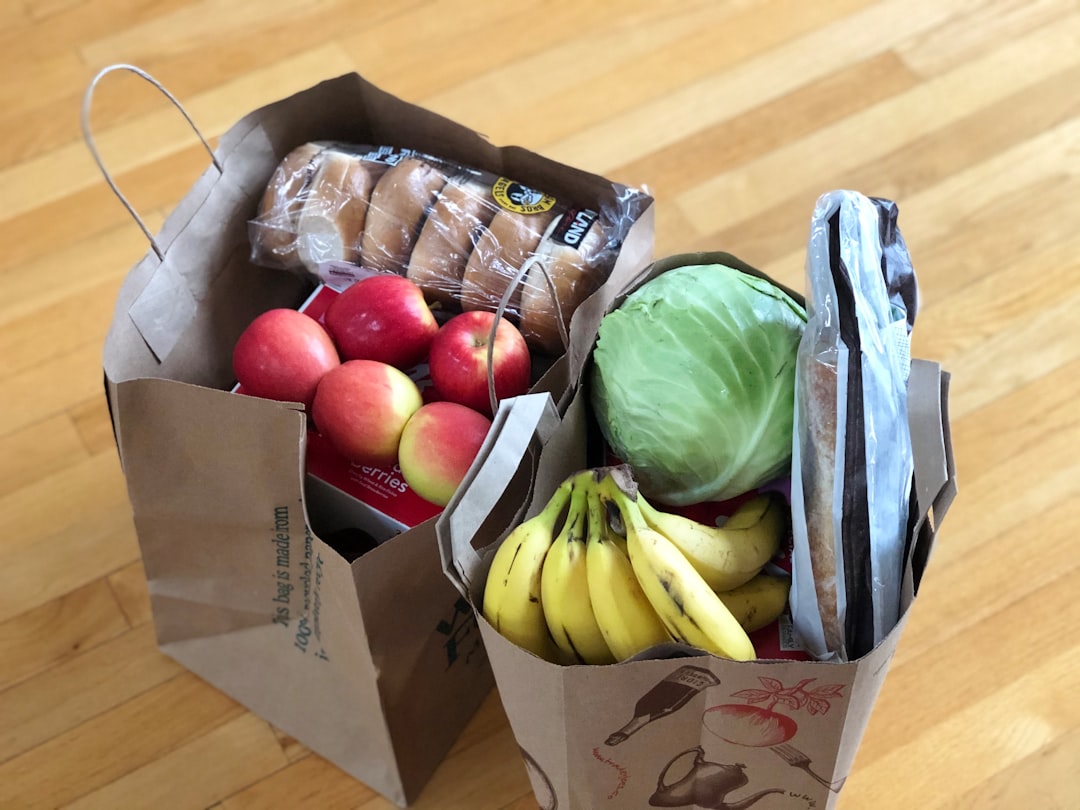
Grocery prices in 2026 continue to demand a significant portion of the average household budget. Shifting supply chains and persistent retail markups mean everyday food staples require strategic management. Applying focused money-saving habits allows you to dramatically trim your supermarket expenses.
Recommended Resources Worth Buying
Hand-picked, in-stock picks we track for 2026:
- The Simple Path to Wealth (J L Collins) — $15.00. best money roadmap: financial independence, index investing
- I Will Teach You to Be Rich (Ramit Sethi) — $10.17. best beginner money plan: 6-week program that works
- The Psychology of Money (Morgan Housel) — $13.79. best money mindset: timeless lessons on wealth
- Think and Grow Rich (Napoleon Hill) — $9.99. classic wealth-building bestseller
Managing food costs is one of the fastest ways to increase your disposable monthly income. Unlike fixed costs such as mortgage payments or car loans, your food budget offers complete operational flexibility. Small behavioral tweaks at the store compound into substantial cash savings over the course of a year.
This comprehensive guide details 15 practical tactics designed to lower your food expenditures immediately. Implementing these financial strategies will keep more capital in your high-yield accounts without compromising meal quality.
Overview: Grocery Habits vs. Financial Impact
Before implementing specific tactics, it helps to analyze where standard shopping habits lose efficiency. The comparison table below highlights how strategic adjustments translate into direct cost savings.
| Traditional Shopping Habit | 2026 Smart Grocery Strategy | Estimated Monthly Savings |
|---|---|---|
| Buying brand-name goods at eye level | Purchasing store brands on lower shelves | $40 – $75 |
| Pre-cut meat and packaged produce | Whole cuts processed and portioned at home | $50 – $100 |
| Unplanned weekly shopping trips | Inverse meal planning using current inventory | $60 – $120 |
| Ignoring loyalty apps and rebates | Digital coupon stacking and cash-back apps | $25 – $50 |
Smart Planning & Pre-Shopping Hacks
1. Master “Inverse Meal Planning”
Most consumers select recipes first and purchase ingredients second. Inverse meal planning reverses this formula to maximize the inventory already sitting in your kitchen.
Start by auditing your refrigerator, freezer, and pantry for items approaching their expiration dates. Build your upcoming meal schedule around these existing staples before writing down a single new item.
This single habit eliminates duplicate purchases and prevents mid-week waste. It ensures every dollar spent in prior shopping trips delivers maximum nutritional return on investment.
2. Perform a Weekly Food Waste Audit
Throwing away spoiled food is directly equivalent to discarding physical cash. Keeping a simple log of every item thrown out provides clear financial insights into your consumption habits.
Track discarded items for seven days and identify recurring patterns in spoilage. Adjust future purchasing volumes downward for categories that consistently end up in the trash.
Eliminating predictable waste saves the average family dozens of dollars each week. Redirecting those funds into investments turns former waste into long-term compound wealth.
3. Stack Cash-Back Apps with Digital Loyalty Cards
Modern mobile savings platforms offer seamless opportunities for compound discounts. Combining store-specific digital coupons with third-party cash-back rebates maximizes your savings per transaction.
Scan your receipts into cash-back applications immediately upon finishing your checkout process. Many platforms allow direct linking to store account profiles for automated rebate processing.
Transfer accumulated cash-back balances directly into high-yield savings accounts quarterly. Over time, these small savings establish a dedicated buffer for unexpected financial obligations.
4. Evaluate Unit Prices Instead of Tag Prices
Retailers frequently adjust packaging sizes to mask underlying price increases. A larger box or fancy container does not automatically guarantee a lower price per unit.
Examine the small unit price metric usually located in the bottom corner of shelf labels. Compare the cost per ounce, gram, or count across competing brands and package sizes.
This analytical approach protects your wallet against hidden shrinkflation tactics. It guarantees that you select the most efficient value option every single time you shop.
Strategic In-Store Shopping Tactics
5. Beware of the “Eye-Level Trap”
Supermarkets strategically position high-margin, expensive brand-name goods directly at adult eye level. Value brands and private labels are almost exclusively located on the top or bottom shelves.
🛒 I Will Teach You to Be Rich (Ramit Sethi) — $10.17🛒 The Psychology of Money (Morgan Housel) — $13.79
🛒 I Will Teach You to Be Rich (Ramit Sethi) — $10.17🛒 The Psychology of Money (Morgan Housel) — $13.79
Make a conscious effort to scan store shelves from top to bottom before choosing a product. You will routinely discover identical goods priced significantly lower on lower displays.
Adopting this physical habit prevents automated spending on high-markup brand names. Store-brand options frequently offer identical ingredients produced by the exact same food suppliers.
6. Target “Manager’s Special” Markdown Timelines
Grocery chains follow strict internal schedules for discounting meat, dairy, and bakery items nearing sell-by dates. Learning these specific timelines grants access to discounts ranging from 30% to 70% off.
Ask store department managers when staff typically apply clearance tags to inventory. Early morning hours are commonly the prime window for acquiring heavily discounted proteins.
Portion and freeze these clearance meats immediately upon returning to your home kitchen. This method allows you to purchase organic or premium cuts while keeping standard budget limits intact.
7. Enforce a 20-Minute Store Speed Run
Consumer research consistently proves that time spent inside a retail store correlates directly with impulse buying. Stores design floor layouts specifically to slow your pace and encourage extra purchases.
Set a countdown timer for 20 minutes on your phone before entering the store doors. Navigate directly to the items on your pre-arranged list and proceed straight to checkout.
Moving rapidly through the aisles reduces exposure to promotional end-cap displays and tempting seasonal items. Less time spent wandering results in a lower final total on your receipt.
8. Pivot to Private Label Store Brands
Private label products have advanced significantly in manufacturing standards and taste profile quality. In objective double-blind testing, store brands regularly match national brands in customer preference.
Transitioning primary kitchen staples like flour, spices, canned vegetables, and oats saves up to 30% instantly. The structural chemical makeup of these basic ingredients is essentially identical.
Reserve brand name purchases exclusively for products where you detect a meaningful preference. Applying store brand swaps across 80% of your basket establishes a low baseline food cost.
Smart Protein & Bulk Purchasing Strategies
9. Buy Whole Proteins and Self-Portion
Pre-trimmed chicken breasts, sliced cutlets, and cubed stew meats carry hefty convenience surcharges. Supermarket butcher departments charge high hourly labor margins for basic knife work.
Purchase whole chickens, full pork loins, or large primal beef cuts at lower per-pound rates. Spend 15 minutes at home trimming and dividing these cuts using freezer-safe packaging.
This straightforward practice slashes your effective protein costs by a substantial margin. Save bones and vegetable scraps in your freezer to create nutrient-dense bone broths for minimal extra expense.
10. Integrate “Plant-Forward” Protein Swaps
Animal protein remains one of the largest expenditure categories on any grocery bill. Substituting plant-based proteins for meat twice a week provides immediate budget relief.
Lentils, chickpeas, black beans, and eggs deliver high nutritional value at a tiny fraction of meat prices. Purchasing dried beans in bulk containers lowers your cost per serving even further.
Incorporate these options into recipes like soups, chilis, and grain bowls for satisfying meals. Your household cuts overall food overhead while introducing healthy nutritional variety.
11. Align Purchases with Seasonal Financial Produce Cycles
Produce shipped from overseas during off-season months incurs massive transportation and storage overhead. These logistical costs are passed directly to consumers through inflated retail shelf prices.
Consult local agricultural charts to identify what fruits and vegetables are currently in harvest. Select root vegetables and citrus in cold months, switching to berries and stone fruits in summer.
For out-of-season produce n
Looking for more? Check out our related guide: How to Save Money on Groceries in 2026: 15 Smart Hacks.


